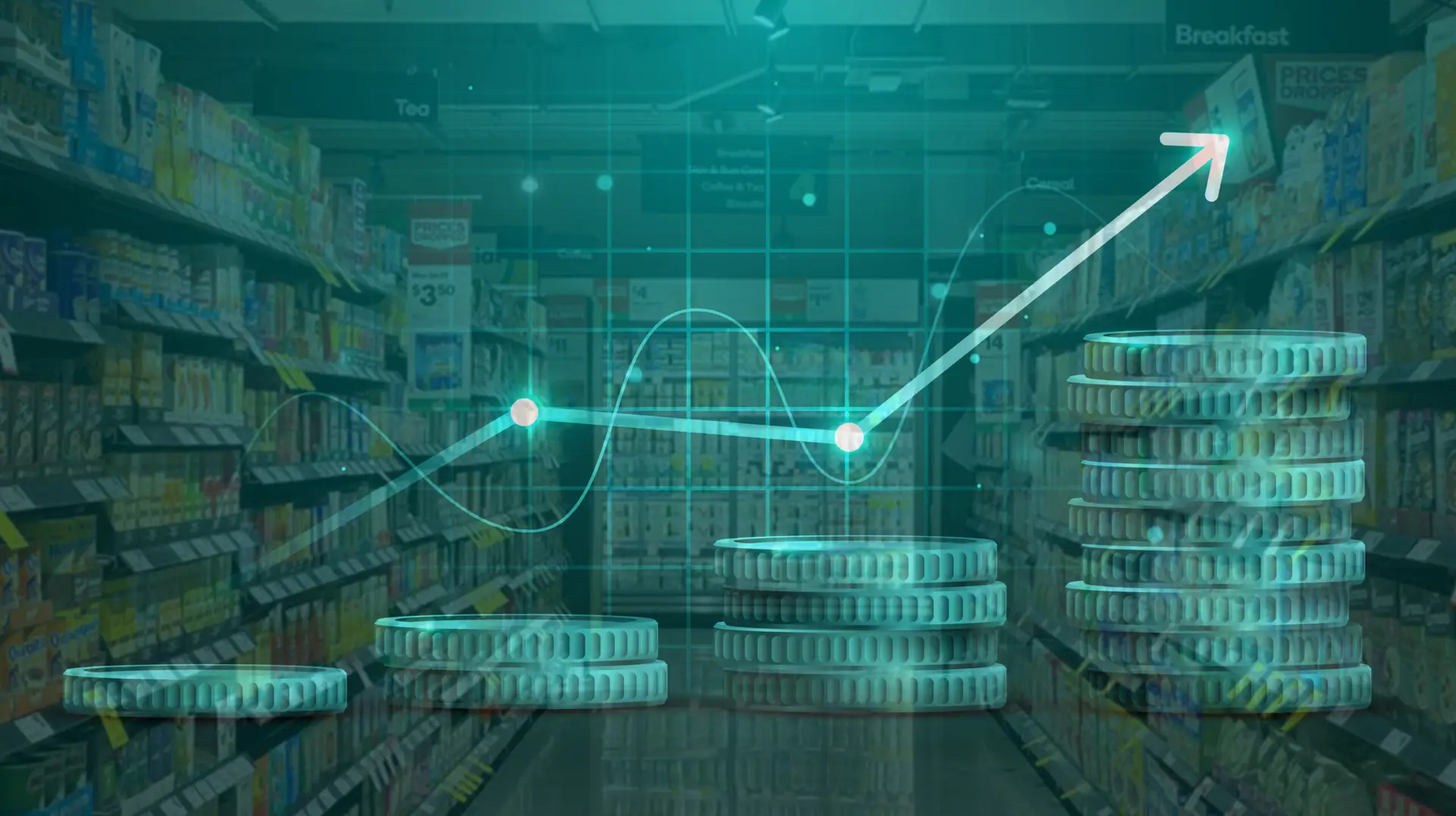
As convenience store companies ramp up expansion plans heading into 2026, the ripple effects are being felt across convenience distribution, warehousing, and supply chain operations. Major operators like 7-Eleven, EG America, and Anabi Oil are investing in new locations, acquisitions, and operational modernization.
For distributors, wholesalers, and logistics professionals serving the c-store channel, these growth strategies create both opportunity and complexity. CDR software—designed specifically for convenience distribution—plays a critical role in helping suppliers scale inventory management, order fulfillment, and route operations in step with fast-growing retail networks.
Key Industry Trends Shaping C-Store Expansion in 2026
Several industry trends are accelerating c-store growth and directly influencing distribution requirements:
-
Retail and supply chain modernization: Operators are investing in automation, real-time inventory visibility, and data-driven replenishment
-
Changing consumer preferences: Growth in fresh food, beverages, tobacco alternatives, and private-label products increases SKU complexity
-
Regulatory and compliance pressure: Taxation, age-restricted products, and reporting requirements raise the stakes for accuracy
-
Technology adoption: C-stores and their distributors are turning to CDR and ERP systems to manage scale without increasing overhead
These trends push distributors to adopt software built specifically for the high-volume, low-margin, fast-turn environment of convenience distribution.
Major C-Store Companies with Upcoming Expansion Plans
7-Eleven
7-Eleven continues to pursue aggressive growth through acquisitions and organic store openings. As store counts rise, distributors supporting 7-Eleven locations must manage:
-
Increased order frequency
-
Multi-DC fulfillment
-
Tight delivery windows
CDR software helps distributors synchronize pricing, promotions, and inventory across hundreds or thousands of store locations.
EG America
EG America’s geographic expansion across the U.S. is creating new regional distribution demands. Distributors need scalable systems that support:
-
Route optimization
-
Customer-specific pricing
-
Real-time order processing
Purpose-built convenience distribution software enables faster onboarding of new stores without operational disruption.
Anabi Oil
Anabi Oil’s growth strategy, including M&A activity, increases complexity across product catalogs, contracts, and reporting. Distributors serving rapidly expanding regional chains benefit from CDR platforms that unify accounting, inventory, and sales data in a single system.
Potential Upcoming IPOs in the C-Store Sector
Several c-store operators are rumored or confirmed to be preparing for IPOs, which often trigger operational tightening and increased transparency.
From a distribution perspective, IPO-driven growth means:
-
Higher service-level expectations
-
Greater demand forecasting accuracy
-
Auditable financial and inventory records
Distributors using CDR software with built-in reporting, traceability, and compliance tools are better positioned to meet the operational standards required by publicly traded retailers.
Strategic Planning for Supply Chain & Distribution Professionals
To capitalize on c-store growth in 2026, distributors should focus on:
-
Aligning operations with high-growth c-store chains
-
Reducing manual processes through automation
-
Implementing CDR software designed specifically for convenience distribution
-
Preparing systems to scale alongside customer expansion
The distributors that win in 2026 will be those that can grow without sacrificing margin, accuracy, or service levels.
Conclusion
As c-store companies like 7-Eleven, EG America, and Anabi Oil accelerate expansion plans for 2026, the demands placed on distributors will only increase. Growth in store count, SKU variety, and delivery frequency requires more than spreadsheets or generic ERP systems.
By leveraging CDR software purpose-built for convenience distribution, supply chain and warehouse professionals can support retail expansion, strengthen partnerships, and position their operations for long-term success in the evolving c-store landscape.